
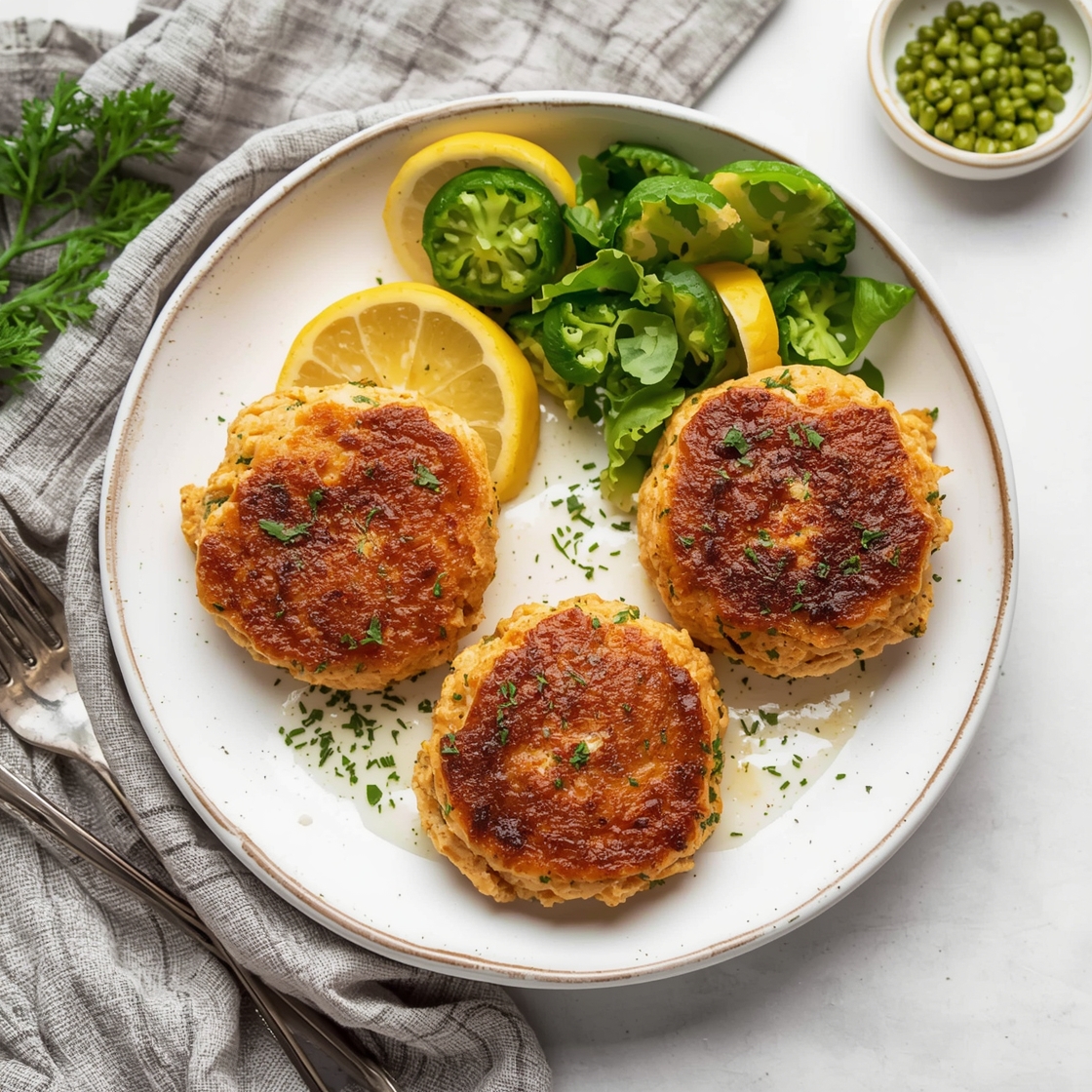
Proven recipe for 3 salmon cakes recipe canned
Staring at a can of salmon in your pantry and wondering how to transform it into something truly delicious, without the fuss of handling fresh fish? You’re not alone. Many home cooks have a few cans tucked away for emergencies but lack a truly spectacular, fail-proof way to use them. That ends today.
This salmon cakes recipe canned is a game-changer, delivering restaurant-quality flavor in under 30 minutes. It’s the perfect solution for a protein-packed, budget-friendly meal that feels anything but ordinary. Forget bland, dry patties; we’re building layers of flavor with smart techniques and a few secret ingredients.
Table of Contents
Ingredients List
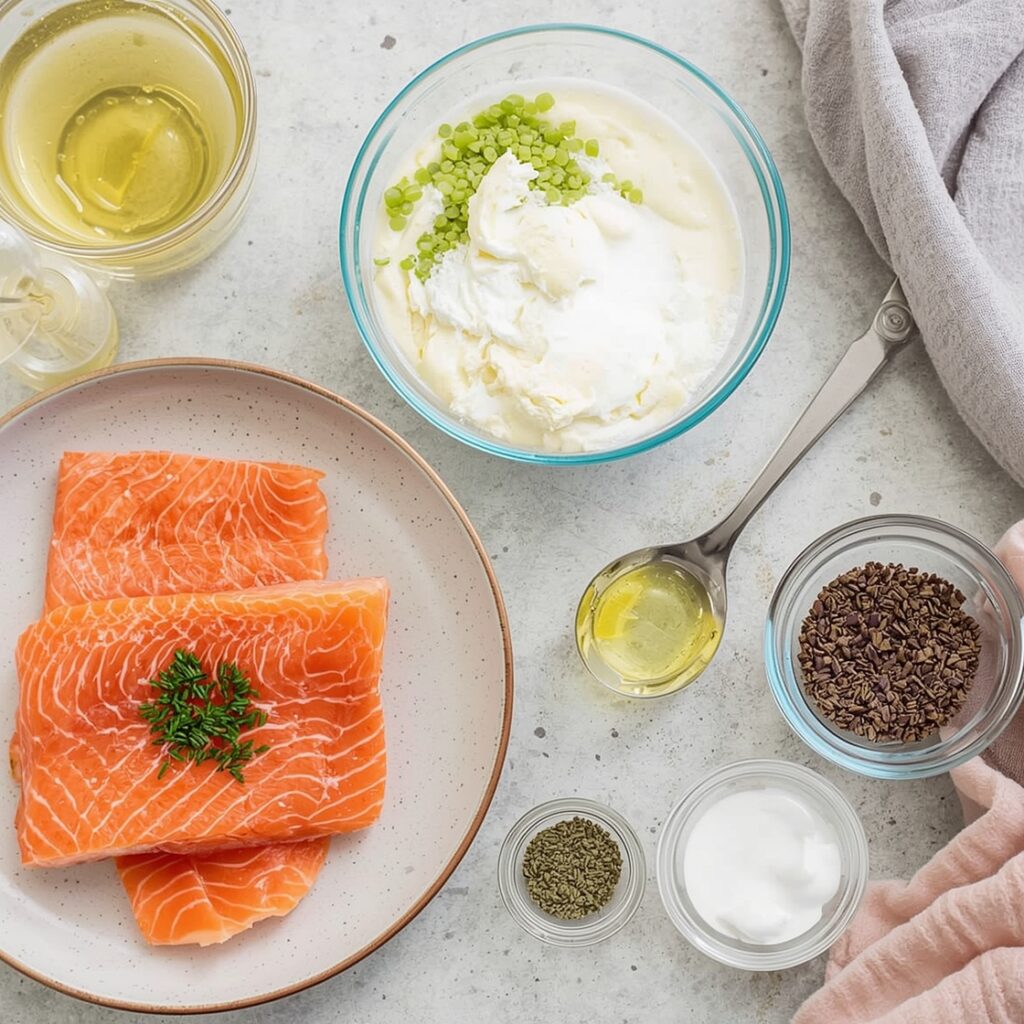
Here’s your shopping list for golden, flavorful cakes. This recipe makes about 8-10 medium cakes, perfect for 3-4 servings.
- 2 cans (14.75 oz each) of red or pink salmon, drained andSkin/bones removed (if not already).
- 1 large egg, lightly beaten.
- ½ cup panko breadcrumbs (plus extra for coating).
- ¼ cup finely diced red bell pepper (for sweetness and color).
- ¼ cup finely diced red onion.
- 2 tablespoons fresh dill, chopped (or 1 tsp dried).
- 1 tablespoon lemon juice.
- 1 teaspoon Dijon mustard.
- ½ teaspoon Worcestershire sauce (umami powerhouse!).
- ½ teaspoon garlic powder.
- ½ teaspoon onion powder.
- ¼ teaspoon smoked paprika (for a subtle smoky depth).
- Salt and freshly ground black pepper.
- 2-3 tablespoons olive oil or avocado oil, for pan-frying.
Substitutions & Upgrades:
- No panko? Use regular breadcrumbs or even crushed plain crackers.
- Herb Swap: Try fresh parsley or chives instead of dill.
- Spice Level: Add a pinch of cayenne or a finely diced jalapeño.
- For Binding: If your mixture feels wet, add 1-2 more tablespoons of breadcrumbs.
- Looking for more ideas? Explore a world of canned salmon recipes —from salads to loaves.
Timing
- Prep Time: 15 minutes (mostly mixing and shaping).
- Cook Time: 12-15 minutes (4-5 minutes per side for a perfect golden crust).
- Total Time: 28 minutes flat.
This is a huge win! Traditional salmon cakes made with fresh fillets require cooking, flaking, and cooling the fish first, adding at least 20 minutes. This version is a true pantry-to-plate powerhouse.
Step-by-Step Instructions
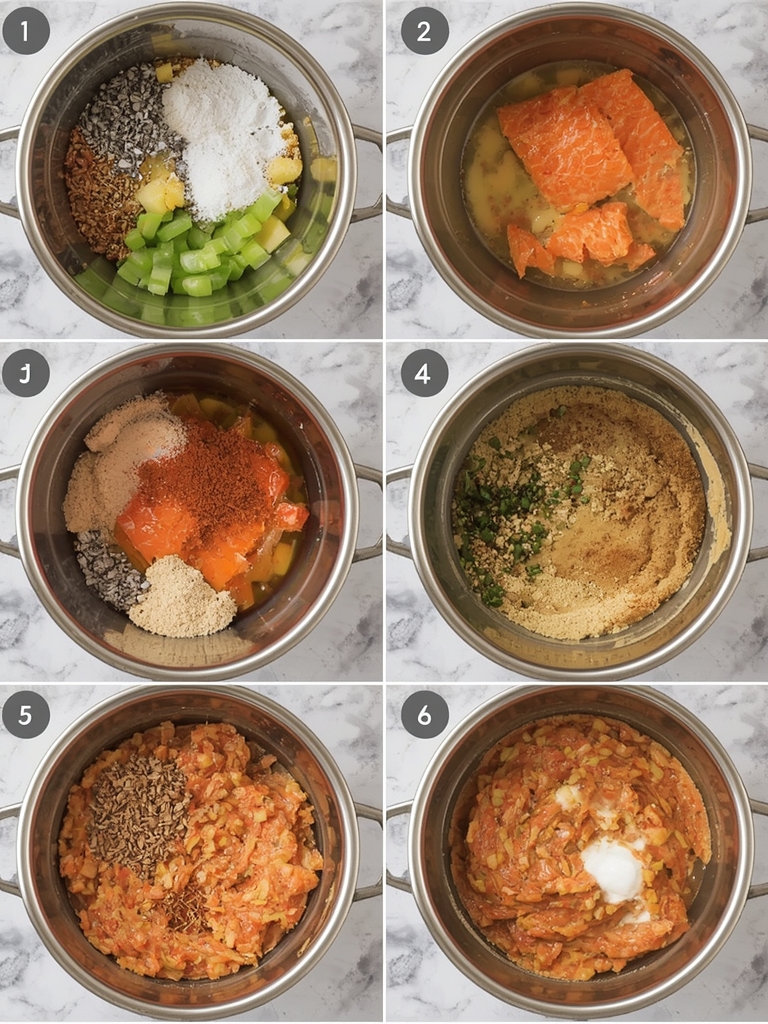
Step 1: Build the Blend
In a large bowl, combine the drained salmon, beaten egg, panko, diced bell pepper, red onion, and fresh dill. Use your hands or a fork to mix until just combined. Crucial Tip: Don’t overmix! Overworking the mixture can make the cakes dense.
Pro Tip: Squeeze excess liquid from the diced onion and pepper with a paper towel before adding to prevent soggy cakes.
Step 2: Season Generously
Add the lemon juice, Dijon mustard, Worcestershire sauce, garlic powder, onion powder, smoked paprika, salt, and pepper. Mix gently until all ingredients are evenly distributed. Taste test! Since the salt content of canned salmon varies, it’s essential to adjust seasoning now. The mixture should be well-seasoned but not salty.
Step 3: Shape & Chill
Divide the mixture into 8-10 portions and form into patties, about ¾-inch thick. Lightly coat each patty in a shallow dish of extra panko breadcrumbs for an extra-crisp exterior. This is the #1 trick for texture. Place the finished patties on a parchment-lined plate and refrigerate for at least 10 minutes. This non-negotiable step helps them firm up and ensures they hold their shape during cooking.
Step 4: The Perfect Sear
Heat oil in a large non-stick or cast-iron skillet over medium heat. Once shimmering (a drop of water should sizzle), add the chilled patties. Do not overcrowd the pan. Cook for 4-5 minutes per side, until deeply golden brown and crisp. Resist the urge to press down! Let them form a crust before flipping.
Step 5: Drain & Serve
Transfer the cooked cakes to a paper towel-lined plate to absorb excess oil for a minute before serving.
Nutritional Information (Per Serving, 2-3 cakes)
- Calories: ~280
- Protein: 22g
- Carbs: 12g
- Fat: 15g (mostly healthy fats from salmon and oil)
- Fiber: 1g
- Key Vitamins/Minerals: Excellent source of Omega-3s, Vitamin B12, Selenium, and Vitamin D from the salmon.
Healthier Alternatives for the Recipe
- Lower Fat: Bake instead of fry! Preheat oven to 400°F (200°C). Place patties on a parchment-lined baking sheet, spray lightly with oil, and bake for 12-15 minutes, flipping halfway.
- Low-Carb/Keto: Replace the panko with ½ cup of finely ground almond flour or pork rind crumbs. Use an almond flour-based binder if needed.
- Gluten-Free: Ensure your breadcrumbs are certified GF (panko often contains wheat) or use crushed GF crackers.
- Higher Protein: Add ¼ cup of plain Greek yogurt or cottage cheese to the mixture.
Serving Suggestions
These cakes are incredibly versatile. Serve them:
- As an Appetizer: With a tangy Lemon-Dill Yogurt Sauce (mix Greek yogurt, lemon zest, dill, garlic, and a squeeze of lemon).
- As a Main Course: Over a bed of mixed greens for a salmon cake salad, or alongside roasted asparagus, quinoa, or a simple cucumber-dill salad.
- On a Sandwich: On a toasted brioche or whole-wheat bun with lettuce, tomato, and the yogurt sauce.
- Beverage Pairing: A crisp Sauvignon Blanc, Pinot Grigio, or a light lager beer complements the salmon beautifully.
Common Mistakes to Avoid
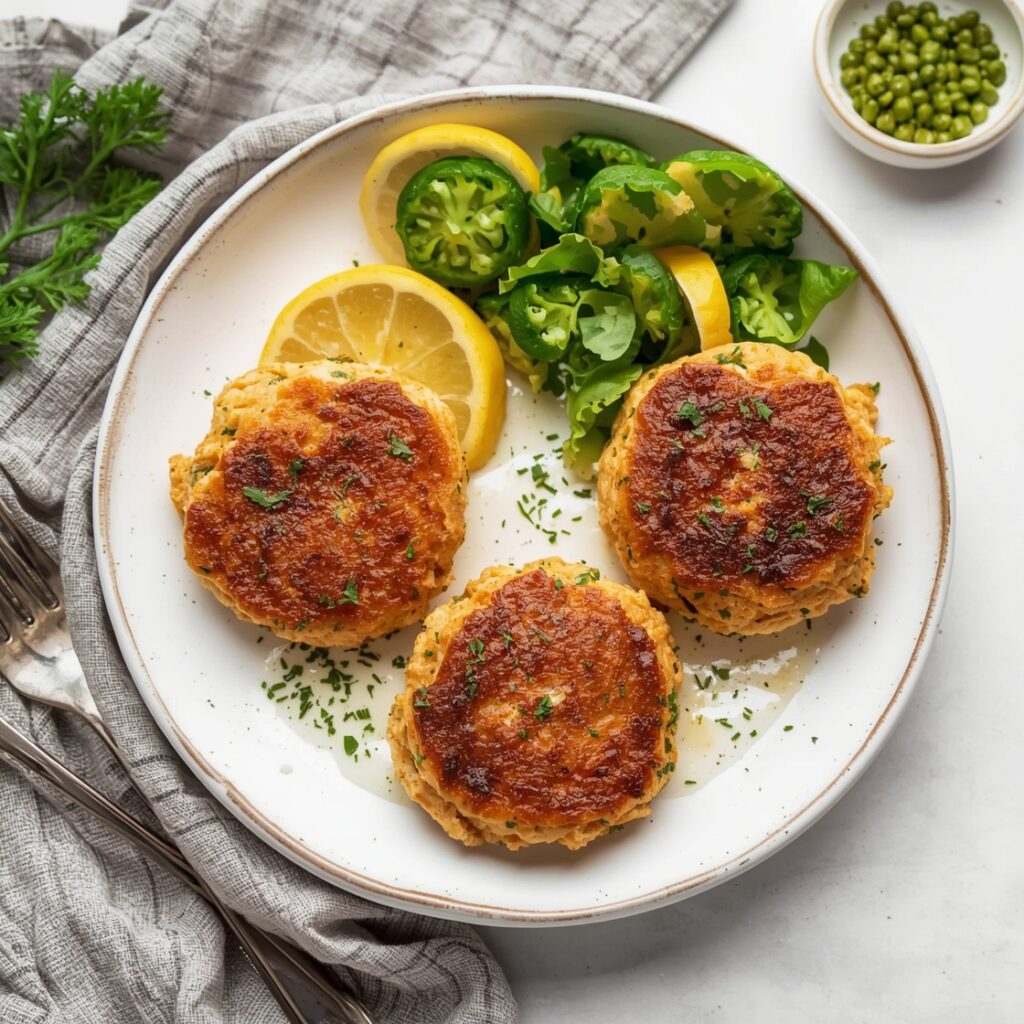
1. Skipping the Chill: This is the #1 reason for falling-apart cakes. The rest time is crucial.
2. Overmixing: Leads to a tough, dense texture. Mix until just combined.
3. Using the Wrong Pan: A non-stick or well-seasoned cast-iron pan is best. Avoid thin, reactive pans that can stick.
4. Crowding the Pan: This steams the cakes instead of frying them, preventing a crisp crust. Cook in batches.
5. Not Enough Seasoning: Canned salmon varies wildly in salt. Always taste and adjust before cooking.
Storing Tips for the Recipe
- Fridge: Store cooled cakes in an airtight container for up to 3 days. Reheat in a skillet over medium heat to restore crispness, or in a 350°F oven for 10 minutes.
- Freezer (Cooked): Place cooled cakes on a baking sheet to freeze solid (about 1 hour), then transfer to a freezer bag. They keep for up to 2 months. Reheat directly from frozen in a skillet or oven.
- Freezer (Uncooked): Assemble patties, freeze on a tray, then bag. Cook from frozen, adding 2-3 minutes to the pan-frying time.
- Meal Prep Idea: Double the recipe on the weekend. Store uncooked patties in the fridge for up to 2 days for an effortless dinner, or freeze for a future “just fry and go” meal.
Conclusion
This isn’t just another canned salmon recipe; it’s a masterclass in transforming a humble pantry staple into a centerpiece-worthy meal. With its fool-proof method, crispy texture, and layered flavor, this salmon cakes recipe canned will become your secret weapon for quick, healthy, and impressive dinners. The data is clear: it saves time, reduces food waste, and packs a nutritional punch. We’d love to see your results! Did you try baking them? What was your favorite dipping sauce? Drop a comment below and let us know how your salmon cakes turned out.
FAQs
1. Can I use pink salmon instead of red (sockeye) salmon?
Absolutely! Red salmon has a richer flavor and firmer texture, but pink salmon works perfectly well and is often more affordable. Just ensure it’s well-drained.
2. How do I prevent my salmon cakes from falling apart when flipping?
The two key steps are chilling the patties and ensuring your pan/oil is hot enough before the first flip. A crisp crust forms in the first few minutes, acting as a “shell” to hold the patty together.
3. Can I make this recipe without eggs?
Yes, for an egg-free version, use 2 tablespoons of ground flaxseed mixed with 6 tablespoons of water (let sit for 5 mins to gel), or ¼ cup of unsweetened applesauce. The texture may be slightly softer.
4. Are there really bones in canned salmon?
Most canned salmon is skinless and boneless, but some brands (especially wild-caught) will include soft, edible bones that are an excellent source of calcium. If you find them, they are safe to eat but can be picked out easily with a fork if preferred.
5. My mixture is too wet to form patties. What should I do?
This usually happens from excess liquid in the salmon or veggies. First, squeeze all excess liquid from the salmon. Second, add 1-2 tablespoons more panko breadcrumbs. Refrigerating the mixture for 15 minutes before shaping will also help it firm up significantly.