
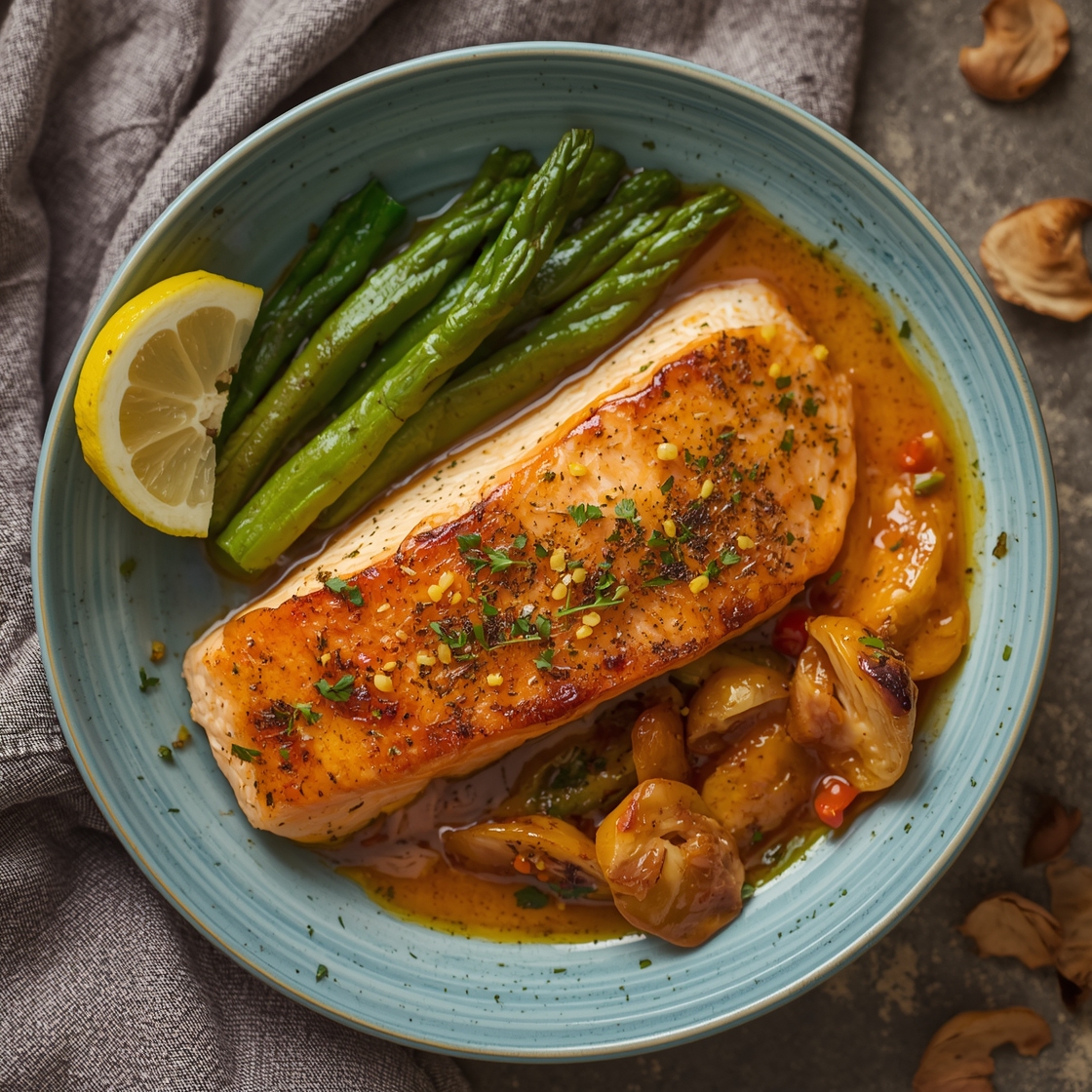
Best way to cook baked red salmon 7
The Best Way to Cook Baked Red Salmon: Flaky, Juicy, & Incredibly Simple
Have you ever wondered why restaurant-style baked red salmon seems impossibly moist and flavorful, while your home attempt can sometimes turn out dry or bland? You’re not alone. Many home cooks assume perfect salmon is reserved for chefs with fancy equipment, but the truth is, the best baked salmon recipe relies on one elegant, foolproof technique that guarantees restaurant-quality results every single time. And it all starts with understanding that vibrant, deep-pink sockeye salmon.
This method isn’t just another recipe; it’s a system. By mastering a few key principles—from temperature control to a simple seasoning blend—you’ll unlock a weeknight powerhouse that feels luxurious and comes together in under 30 minutes. Let’s dive into the definitive guide that transforms your kitchen into a five-star seafood spot.
Table of Contents
Ingredients for Perfect Baked Red Salmon
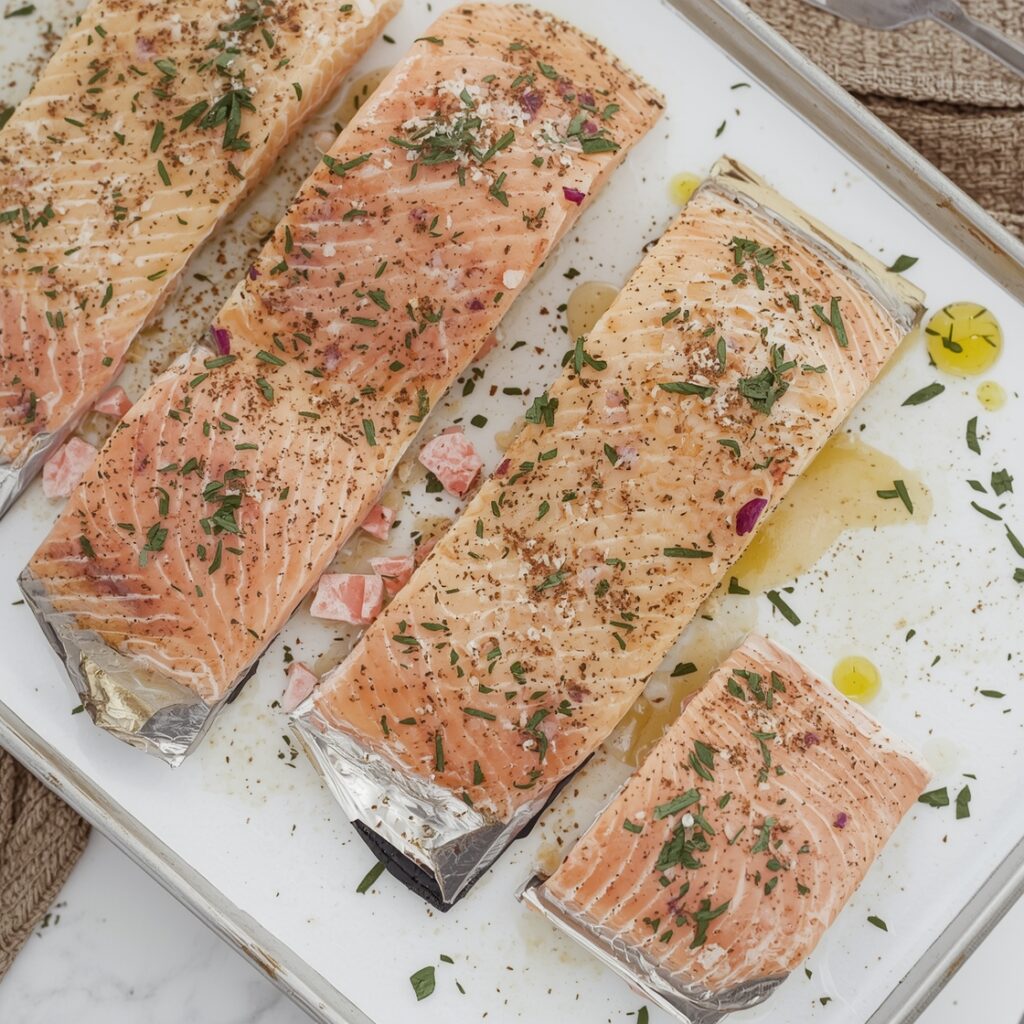
For the salmon and glaze:
- 4 center-cut wild red salmon (sockeye) fillets (6-8 oz each), skin-on or skinless
- 2 tablespoons extra-virgin olive oil
- 1 tablespoon freshly squeezed lemon juice
- 2 cloves garlic, minced
- 1 teaspoon lemon zest
- 1 teaspoon dried dill (or 1 tbsp fresh)
- ½ teaspoon kosher salt
- ¼ teaspoon coarse black pepper
- Optional Glaze: 2 tbsp honey or maple syrup mixed with 1 tsp Dijon mustard
Pantry Staples & Substitutions:
- For a different herb profile: Swap dill for thyme, rosemary, or a sprinkle of everything bagel seasoning.
- Acid alternatives: Use white wine vinegar or a pinch of citric acid in place of lemon juice.
- Oil swap: Avocado oil has a higher smoke point if you prefer.
- No fresh garlic? Use ½ tsp garlic powder.
- For a spicy kick: Add a pinch of red pepper flakes to the seasoning mix.
The key is using wild-caught sockeye salmon when possible. Its firm, ruby-red flesh and rich, oily texture stand up beautifully to baking, staying succulent and developing a perfect caramelized crust.
Timing: Your New 20-Mute Supper
This recipe is designed for speed without sacrifice.
- Prep Time: 10 minutes (just mixing the rub and patting the fish dry—the most crucial step!).
- Cook Time: 12-15 minutes (for medium-rare, the ideal doneness for salmon).
- Total Time: 25 minutes from start to finish.
Why this timing wins: Traditional pan-searing can take 8-10 minutes per side and requires constant attention. This baked red salmon method cooks evenly in the oven’s consistent heat, freeing you to prepare a side dish like quinoa or roasted vegetables. It saves at least 15-20 minutes compared to many ” foolproof” stovetop methods and eliminates the risk of a sticky pan.
Step-by-Step Instructions
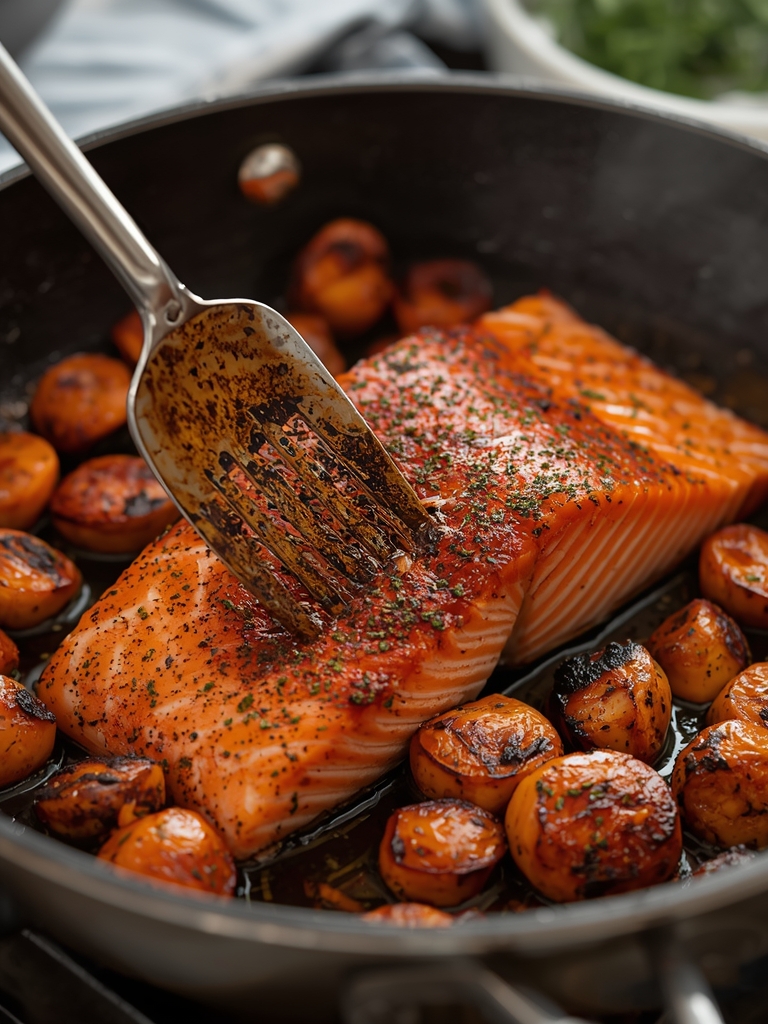
Step 1: Prep & Pat (The Non-Negotiable Step)
Preheat your oven to 400°F (200°C). Place salmon fillets on a parchment-lined baking sheet. Using a paper towel, pat each fillet completely dry. This is the #1 secret to a crispier, more evenly cooked exterior. Any surface moisture will steam the fish.
Step 2: The Simple Glaze & Rub
In a small bowl, whisk olive oil, lemon juice, lemon zest, garlic, dill, salt, and pepper. If using, stir in the honey/Dijon mix. Spoon two-thirds of this mixture over the salmon fillets, ensuring they’re generously coated.
Step 3: Bake to Perfection
Bake for 12-15 minutes. Pro Tip: The salmon is done when it flakes easily with a fork and the internal temperature reaches 125-130°F for medium-rare, or 130-135°F for medium. It will continue to cook from residual heat after removal. Do not overcook! This is the most common mistake.
Step 4: Finish & Rest
Remove from oven. Drizzle with the remaining glaze and let it rest for 3-5 minutes. This allows the juices to redistribute, guaranteeing a moist bite.
Nutritional Information (Per Serving, Approx. 6 oz Fillet)
- Calories: 280-350
- Protein: 30-35g
- Fat: 18-22g (Heart-healthy omega-3s!)
- Carbs: 0-2g (naturally carb-free)
- Fiber: 0g
- Key Vitamins: Exceptionally high in Vitamin D, B12, and selenium.
Healthier Alternatives & Swaps
- Lower Fat/Oil: Skip the olive oil and use a dry rub of herbs, spices, and citrus zest. Spritz with lemon juice after baking.
- Vegetarian/Vegan: This recipe is for salmon, but the technique works for thick tofu or king oyster mushroom “scallops.” Marinate in the same blend for 20 minutes before baking.
- Sugar-Free: Omit honey/maple syrup. The natural sugars in the salmon caramelize beautifully on their own.
- Gluten-Free: This recipe is inherently GF. Just double-check any seasoning blends for hidden gluten.
Serving Suggestions: From Simple to Spectacular
- Classic Pairing: Serve over a bed of lemon-herb rice or quinoa with a side of roasted asparagus or green beans.
- Light & Fresh: Flake the salmon over a hearty salad of mixed greens, cucumber, and avocado with a creamy dill dressing.
- Meal Prep Hero: Bake a large batch on Sunday. Store flaked salmon in containers with a grain and veggie mix for grab-and-go lunches all week.
- Beverage Pairing: A crisp, acidic white wine like Sauvignon Blanc or Pinot Grigio cuts through the richness perfectly. For a non-alcoholic option, try sparkling water with lemon and fresh mint.
Common Mistakes to Avoid
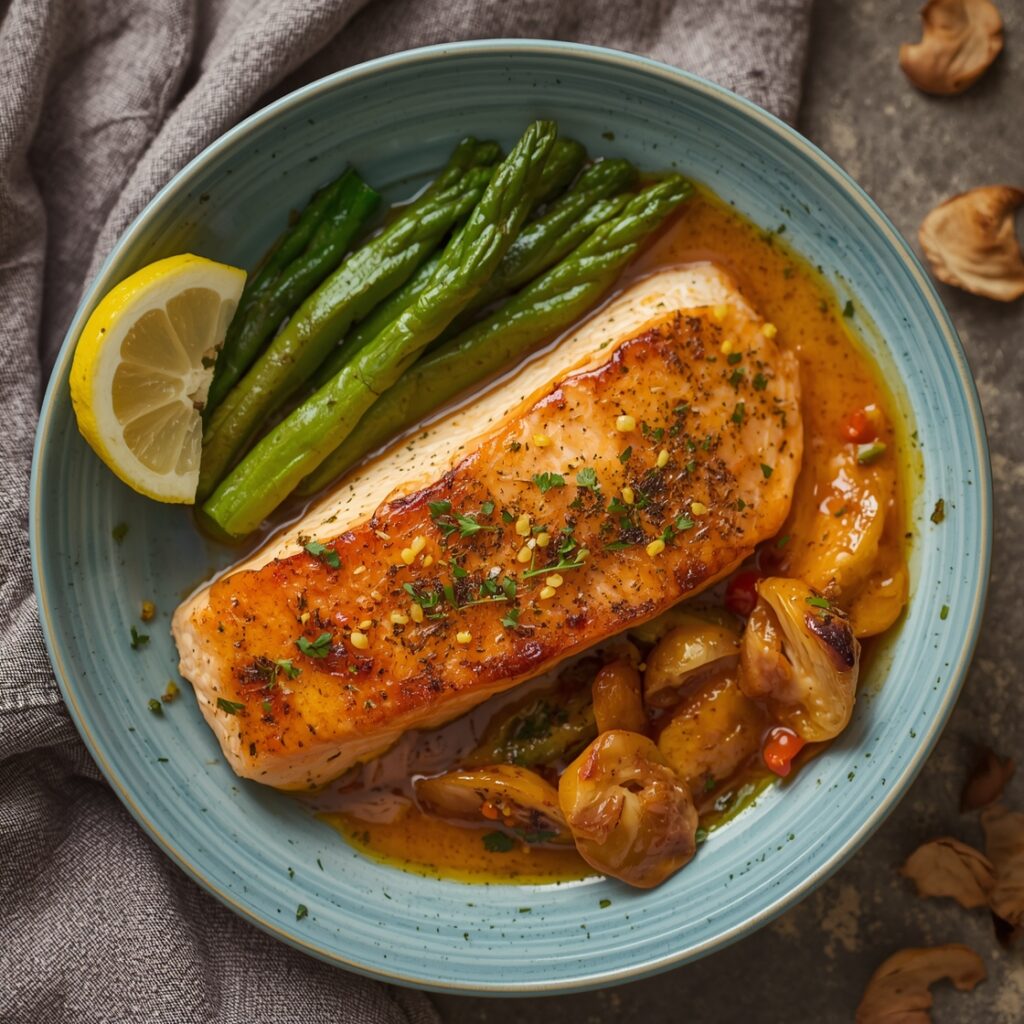
1. Overcooking: This is the ultimate sin. Salmon continues cooking after it leaves the oven. Pull it out when it looks almost done in the center.
2. Skipping the Pat-Dry: Wet fish steams instead of roasts, leading to a rubbery texture.
3. Using Thin Fillets: Very thin fillets will overcook in minutes. Adjust baking time down to 8-10 mins if your fillets are under 1-inch thick.
4. Not Letting it Rest: Cutting into it immediately releases all the precious, flavorful juices onto your cutting board instead of your plate.
5. Using Low-Quality Salmon: The difference between farmed and wild, fresh and frozen, is stark in the final result. Invest in the best baked red salmon you can find for this simple technique.
Storing Tips & Meal Prep
- Refrigerator: Store cooked salmon in an airtight container for 3-4 days. Reheat gently in a 275°F oven for 10-12 minutes to avoid drying. Flaking it cold into salads or pastas is even better.
- Freezer: Cool completely, then freeze fillets on a tray before transferring to a freezer bag. Best used within 2 months. Thaw overnight in the fridge and reheat as above.
- Pro Meal Prep Tip: Bake your salmon on a Sunday. Use it for:
* Salmon tacos with slaw.
* Flaked on avocado toast with everything bagel seasoning.
* Tossed into a morning scramble or frittata.
Conclusion: Your Go-To Protein, Perfected
This baked red salmon method is more than a recipe; it’s your ticket to consistently delicious, healthy, and elegant meals. With minimal effort, you achieve maximum flavor—juicy, flaky flesh with a hint of crispy edge and bright herbal notes. It’s the perfect solution for busy weeknights, impressing dinner guests, or fueling your fitness goals with clean protein.
Ready to transform your dinner routine? Grab some beautiful wild sockeye fillets and try this method tonight. Once you’ve mastered it, tag us in your photos! We love seeing your creations. For another incredible protein technique, check out our guide to the baked red salmon ’s cousin, the perfect street taco.
FAQs
Q: Can I use frozen salmon for this recipe?
A: Absolutely! Thaw it completely in the refrigerator overnight. Pat it extra dry with paper towels, as frozen fish releases more moisture.
Q: What if I don’t have lemon?
A: Use lime or a tablespoon of white wine vinegar for acidity. A sprinkle of sumac can also provide a lemony note.
Q: How do I know when the salmon is done?
A: Use a fork to gently flake the thickest part. It should separate easily but still look slightly translucent in the very center. A instant-read thermometer is the most reliable tool (125-130°F for medium-rare).
Q: Is it better to bake salmon covered or uncovered?
A: Uncovered! Covering it creates a steaming effect, which prevents the surface from developing any color or texture. We want that gentle roast.
Q: What’s the difference between farmed and wild red salmon?
A: Wild sockeye has a deeper red color, firmer texture, and richer, more complex flavor due to its natural diet and rigorous swimming. Farmed salmon (often Atlantic) is paler pink and milder. For this recipe, wild is highly recommended for the best outcome. For a comprehensive baked salmon recipe guide with more variations, explore this resource: baked salmon recipe library.